The Collegiate Padel Opportunity in the U.S.
A new category is beginning to take shape across American campuses — and universities that move early may be best positioned to define it.
5/2/20262 min read
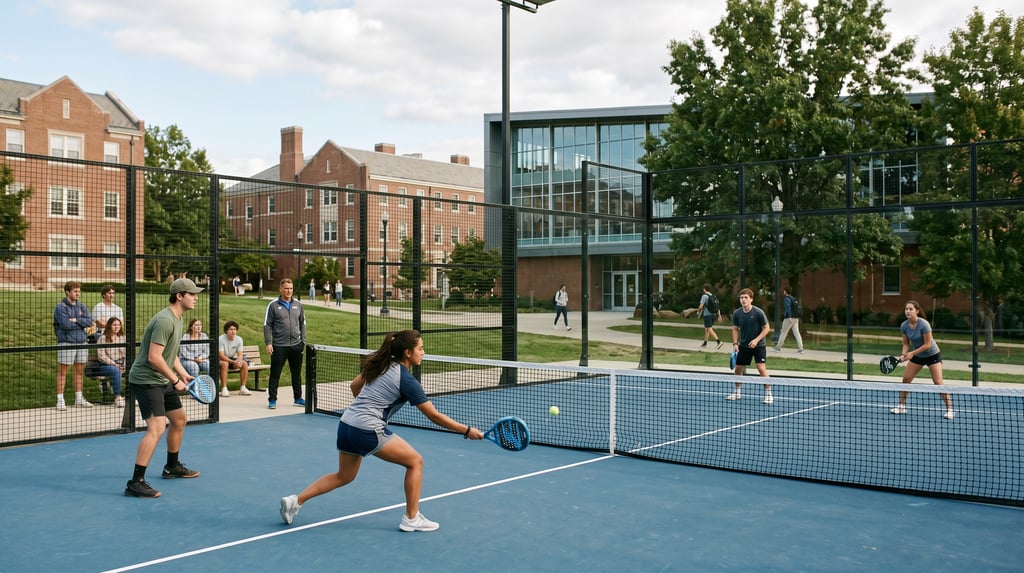
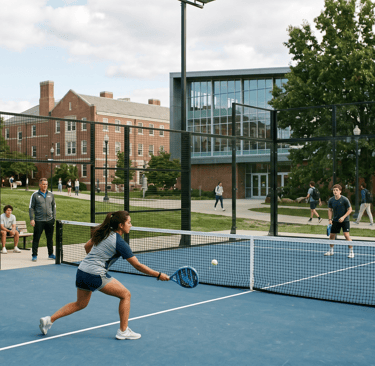
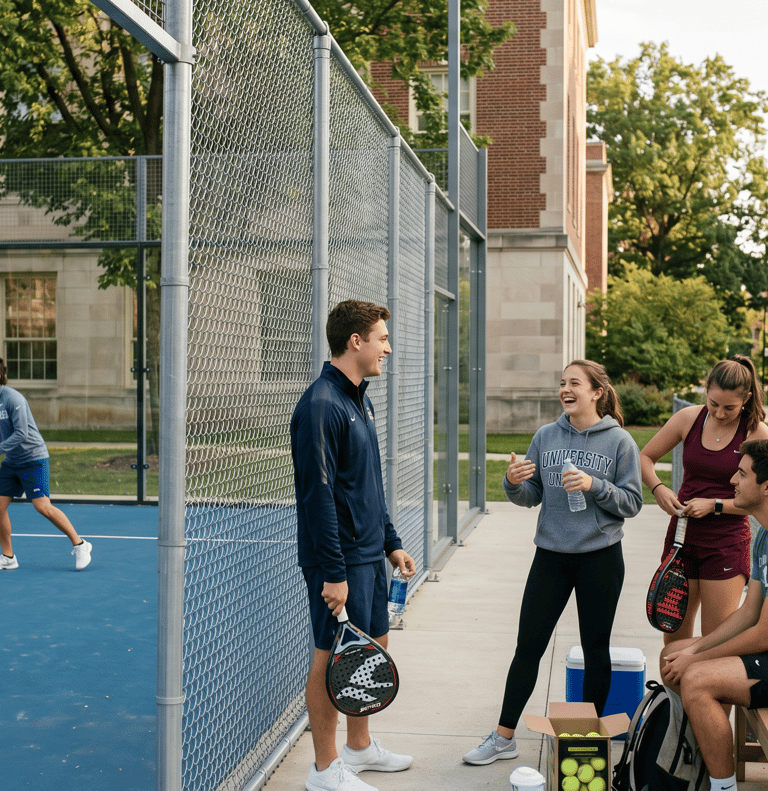
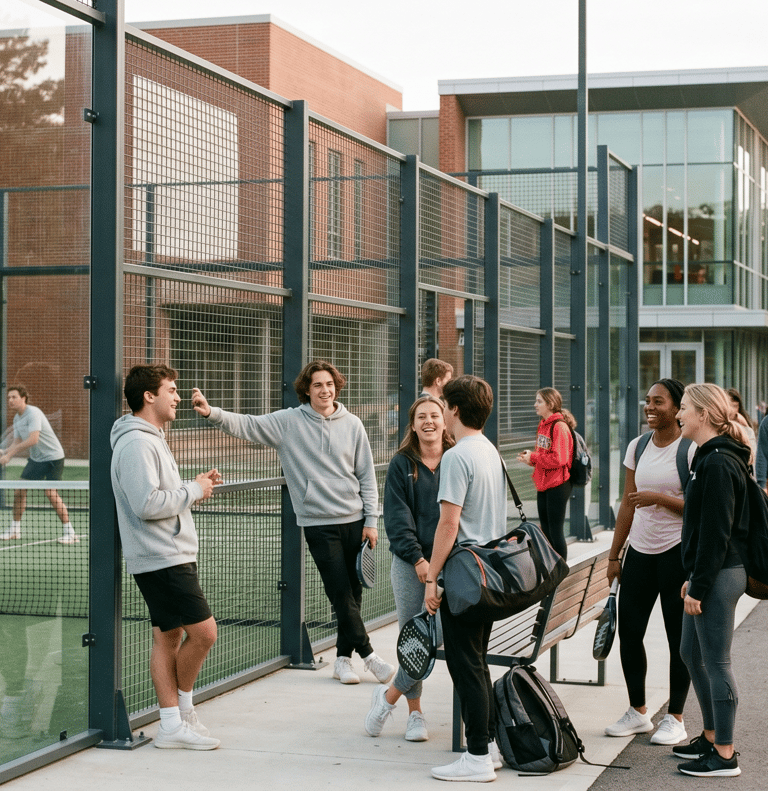
Padel in the United States has entered a new phase. No longer just an emerging sport with scattered local enthusiasm, it is now beginning to show the characteristics of a category with national participation, formal structures, and collegiate relevance. According to the latest SFIA participation data, more than 1.07 million Americans played padel in 2025. At the university level, USPA’s Collegiate Padel initiative and the first-ever National Collegiate Padel Championships are making it increasingly clear that campus padel is becoming real.
Why universities are paying attention
For universities, padel is not compelling only because it is growing. It is compelling because it aligns with several institutional priorities at once: student engagement, wellness, social connection, internationalization, modern campus recreation, and institutional differentiation. It is also a format that feels relevant to the way many students increasingly want to participate in sport: socially, dynamically, and as part of a broader sense of belonging.
Why urgency matters
The most important shift is that this category is beginning to institutionalize now. USPA has launched a collegiate framework. Founding clubs have already emerged on leading campuses. The first National Collegiate Padel Championships set a participation record with 66 players. And that collegiate competition now connects to an international university pathway through FISU. For universities, the implication is simple: waiting no longer means merely observing from a distance. It may mean entering later into a space that others helped define first.
A realistic way to begin
Importantly, engaging with padel does not require immediate on-campus court construction or a fully developed varsity structure. Institutions can start through student clubs, external partnerships, pilot activations, and phased programming. That makes collegiate padel not only strategically relevant, but practically approachable.